
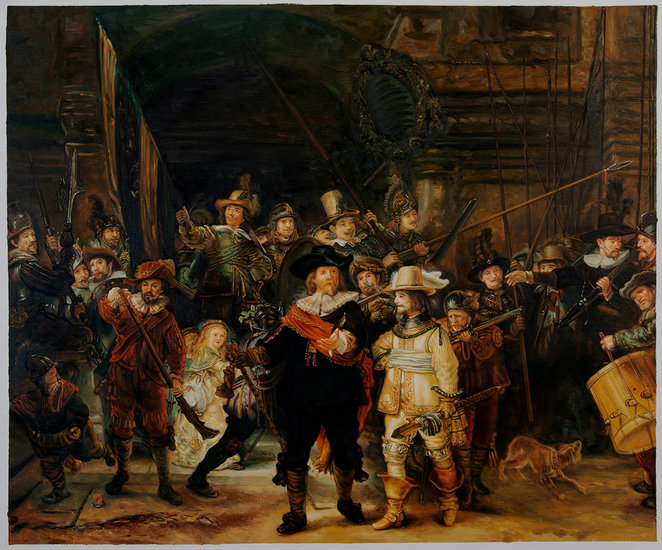
Blog Post #5: A work in progress to address learning objective 4
It seems as though digital representations would provide only benefits. There are, however, also some drawbacks to having digital representations of things in both a historical and modern context. One advantage of digital is that when errors in signals arise, these errors can be detected and corrected as they come in. A drawback of digital, on the other hand, is that you cannot take enough samples of incoming signals to get an exact replication of your initial waveform. If we could take enough of these samples, it would take up far too much storage. For example, your phone could play music from a streaming service, but probably could not make it through a whole song if your device was taking the “necessary” amount of samples. Another benefit of digital is the use of binary to represent various things. For example, binary, or ones and zeros, can be used to represent images. With a combination of 1’s and 0’s representing each pixel, an entire image can easily be created!